Understanding Textile Tensile Testing Equipment
Tensile testing is a critical component in the evaluation of materials, particularly in the textile industry. The ability to assess the tensile strength of fabrics is vital in ensuring product quality, durability, and performance. Within this domain, textile tensile testing equipment plays a pivotal role. This equipment not only measures how much weight a fabric can withstand before breaking but also provides insights into its elasticity and overall behavior under stress.
What Is Textile Tensile Testing Equipment?
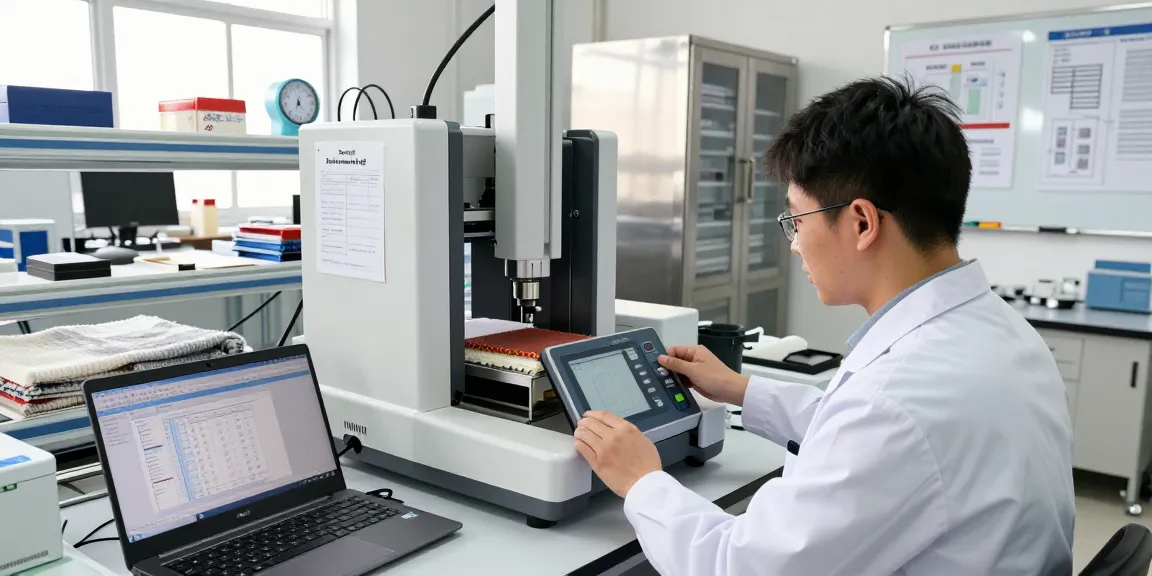
Textile tensile testing equipment, specifically designed for the textile industry, measures the strength and elongation of fabrics and yarns. This equipment applies a controlled tensile force on a sample until it deforms or breaks. The results yield essential data that can be utilized in various applications, from quality assurance to developing new materials. The SmartPull Fabric Tensile Tester, for example, stands out with its advanced technology, allowing for accurate results essential for industry compliance.
The Importance of Tensile Testing in Quality Control
Incorporating tensile testing in quality control processes is crucial for manufacturers seeking to produce high-quality textile products. Routine tensile testing helps identify weak points in material performance, ensuring that only fabrics meeting specified strength and durability criteria proceed through production. This practice minimizes the risk of product failure in the field, which can lead to significant financial losses and damage to a brand's reputation.
Key Components of the SmartPull Fabric Tensile Tester
- Power System: The SmartPull utilizes an AC servo motor to maintain steady and precise control over the loading process.
- Load Cells: High-accuracy load cells are essential for converting mechanical force into electrical signals, ensuring accurate force measurements.
- Displacement Transducers: These devices measure the elongation of the fabric during testing, providing insights into its stretchability.
- Smart Software: Equipped with intuitive software, the SmartPull delivers real-time data analysis, allowing operators to monitor various parameters, including tensile strength and elongation.
The Working Principle of Tensile Testing
Understanding the Tensile Test Process
The tensile test begins with clamping the fabric sample securely at both ends. Once positioned, the tester applies a predetermined tensile force. As the force is applied, the device measures how much the fabric stretches until it breaks. This process allows technicians to evaluate both the tensile strength (the maximum force achieved) and the elongation (the stretch at which the fabric fails). This type of analysis is vital in applications ranging from industrial textiles to apparel manufacturing.
Interpreting Test Results: Strength and Elongation
Test results from tensile testing provide a stress-strain curve that helps interpret the material’s behavior under stress. Key metrics include:
- Tensile Strength: The maximum stress a material can withstand while being stretched before failure.
- Elongation at Break: The total elongation a material undergoes before breaking, expressed as a percentage of the original length.
Understanding these parameters allows manufacturers to select the right materials for specific applications, contributing to improved product performance and customer satisfaction.
Standards and Compliance in Textile Testing
Adhering to international standards is essential for maintaining quality and safety in textile products. The SmartPull Fabric Tensile Tester complies with numerous testing standards, including ISO 13934-1, ASTM D5034, and ISO 3377-2. Compliance ensures that the testing processes are standardized and that the results are widely accepted within the industry. This adherence helps manufacturers meet regulatory requirements and attain certifications critical for market entry.
Applications of Textile Tensile Testing Equipment
Industries That Benefit from Tensile Testing
Tensile testing is utilized across a multitude of industries, including:
- Textile Manufacturing: Ensuring fabrics meet the durability and strength required for clothing and upholstery.
- Automotive: Testing materials used in car interiors for safety and longevity standards.
- Medical: Assessing materials for medical textiles, ensuring they can withstand various stresses.
Case Studies: Success Stories in Quality Assurance
Numerous manufacturers have successfully integrated tensile testing into their quality assurance processes, resulting in enhanced product reliability. For instance, a leading apparel manufacturer adopted the SmartPull Fabric Tensile Tester to ensure that their fabrics met stringent international standards. As a result, they reduced product failure rates by 30% and enhanced customer satisfaction ratings significantly.
Common Test Scenarios for Various Textiles
Several scenarios illustrate the versatility of tensile testing:
- Woven Fabrics: Assessing strength and elongation for activewear fabrics.
- Knitted Fabrics: Testing for stretchability and recovery in sportswear.
- Nonwovens: Evaluating tensile properties for medical and hygiene applications.
Best Practices for Using Tensile Testing Equipment
Calibration and Maintenance Tips
Proper calibration and maintenance are essential to maximize the accuracy of tensile testing equipment. Regularly scheduled calibrations align the equipment with industry standards, ensuring that test results remain reliable. Routine maintenance checks should include examining load cells, updating software, and ensuring mechanical components function without obstruction.
Common Mistakes to Avoid During Testing
To achieve consistent test results, avoid common errors such as:
- Incorrect sample preparation, which can lead to variable results.
- Inconsistent testing speeds that can affect the accuracy of elongation readings.
- Neglecting to calibrate equipment regularly, resulting in drift from precise measurements.
Enhancing Accuracy with Software Integration
Integrating advanced software solutions with tensile testing equipment can significantly enhance accuracy and ease of use. Smart software provides real-time data analysis and reporting capabilities, allowing operators to identify anomalies during testing quickly. By employing sophisticated software tools, laboratories can streamline their operations and improve overall efficiency.
The Future of Textile Tensile Testing Equipment
Emerging Trends in Textile Testing Technologies
The textile industry is witnessing rapid advancements in testing technologies. Emerging trends include the integration of automation and artificial intelligence (AI) to provide faster and more accurate testing capabilities. This evolution in technology aims to not only enhance testing accuracy but also reduce operational costs and turnaround times.
The Role of Automation and AI in Testing
Automation in textile testing equipment helps minimize human error, allowing for continuous testing with minimal oversight. AI can analyze patterns in test results, predicting potential failures in fabric production before they occur. These innovations will be crucial in responding to the growing demands for high-quality textile products in a competitive market.
Preparing for Changes in Industry Standards by 2026
As the textile industry continues to evolve, staying ahead of impending changes in testing standards is vital. By 2026, manufacturers may need to adapt to new regulations focused on sustainability and eco-friendliness, influencing how textiles are tested and evaluated. Proactively investing in updated tensile testing equipment now can position businesses favorably for these future shifts.
What materials can be tested using tensile testing equipment?
Tensile testing equipment is versatile, allowing for the evaluation of various materials, including fabrics, leather, paper, and yarn. This adaptability means that manufacturers across diverse sectors can utilize the same equipment to ensure product performance meets industry standards.
How to choose the right tensile testing machine?
When selecting a tensile testing machine, consider factors such as the type of materials being tested, the required testing capacity, and the applicable standards. It's also critical to evaluate the software capabilities to ensure efficient data processing and reporting.
What are the common tensile testing standards?
Common standards governing tensile testing include ASTM D5034, ISO 13934-1, and ISO 3377-2. These standards dictate the methodologies for conducting tensile tests, ensuring consistency and reliability in test results.
Why is regular calibration important for testers?
Regular calibration of tensile testing machines is crucial to maintain measurement accuracy. Over time, mechanical components may shift, causing drift in measurements that can lead to inconsistent test results and potentially affect product quality.
How has textile tensile testing evolved in recent years?
Textile tensile testing has evolved with advancements in technology, leading to more precise and efficient testing methods. Innovations such as automation and advanced analytical software have transformed traditional testing processes into streamlined operations with enhanced data accuracy.