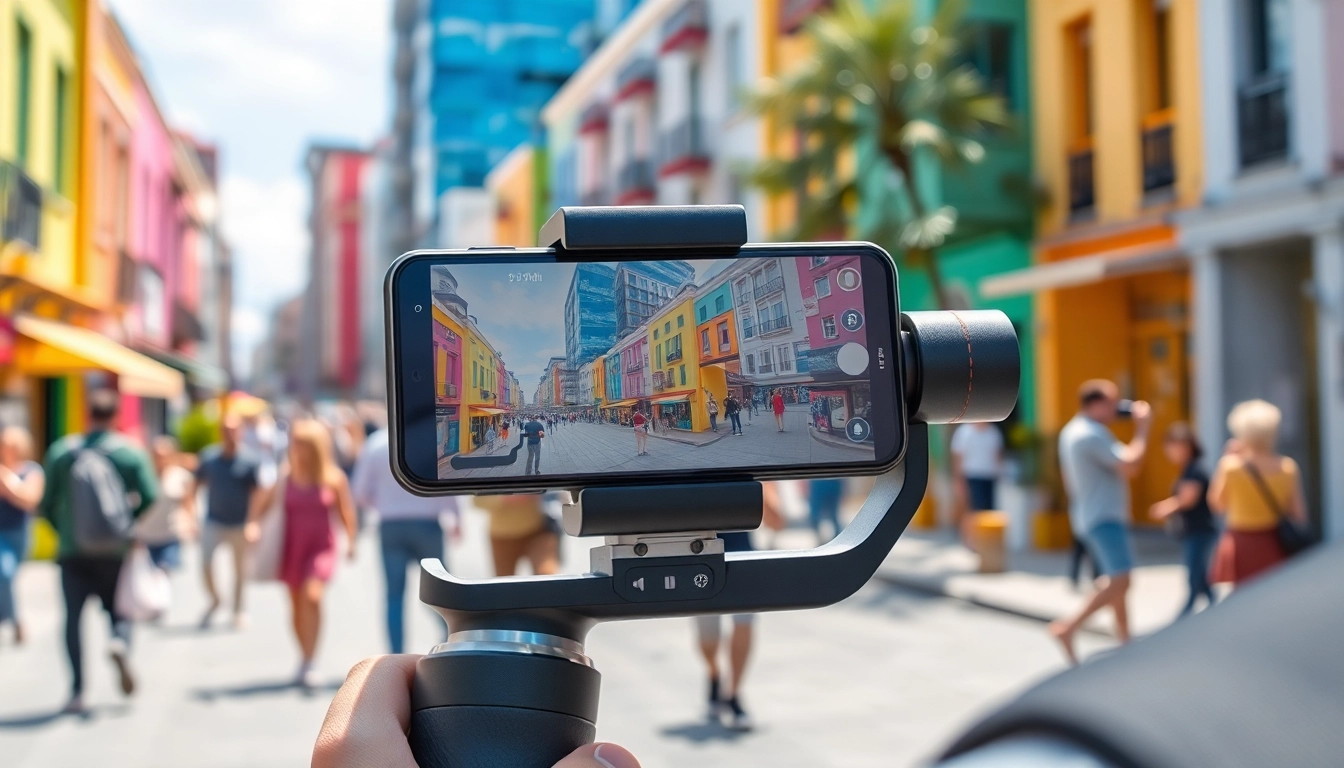
Understanding Phone Gimbals
In today's video-centric world, capturing smooth, cinematic footage with a smartphone has become achievable for anyone with a decent device. However, shaky and unstable shots remain a common frustration. This is where the phone gimbal comes into play, offering a solution that elevates video quality to new heights. More than just a fancy accessory, gimbals have revolutionized how content creators and casual users approach videography.
What is a Phone Gimbal?
A phone gimbal is a specialized stabilizing device designed to eliminate unwanted motion in video recordings. It achieves this through a system of motors and sensors that counteract any shake, tilt, or sway produced during filming. Unlike traditional tripods, gimbals allow for dynamic movement while maintaining steady footage, making them an invaluable tool for professional filmmakers, vloggers, and social media enthusiasts alike.
How Do Phone Gimbals Work?
At the heart of a phone gimbal's functionality is its three-axis stabilization system. This technology works to stabilize the camera in three dimensions: pitch (up and down), roll (tilting side to side), and yaw (left to right). By utilizing gyroscopic sensors and electronic motors, the gimbal actively adjusts the phone's position to counteract any movements from the user. This is particularly useful when filming in motion, such as during a walk or while following a subject.
Benefits of Using a Phone Gimbal
The primary advantage of using a phone gimbal is the significant improvement in video quality. Smooth, fluid motion enhances the visual appeal of content, making it more engaging for viewers. Additionally, gimbals often come equipped with advanced features such as tracking capabilities, which can follow subjects automatically. Moreover, they are compact and portable, allowing users to capture high-quality footage virtually anywhere. By incorporating a gimbal into your filming setup, you can elevate your videography skills and produce content that competes with professional-grade productions.
Top Features to Look for in a Phone Gimbal
When shopping for a phone gimbal, it’s essential to know which features will best suit your filming needs. With a plethora of options available, understanding what to prioritize can help you make the right choice.
Stabilization Technology Explained
Stabilization technology is the cornerstone of any effective phone gimbal. Look for devices that offer three-axis stabilization, as this will provide the most comprehensive solution. Some advanced models even incorporate AI technology for predictive stabilization, optimizing performance during fast motion or complex shots.
Battery Life and Portability Considerations
Battery life is another critical factor when selecting a gimbal. You want a model that can handle extended filming sessions without needing frequent recharging. Additionally, consider the portability of the gimbal; lightweight and foldable designs are ideal for on-the-go shooting. Models like the DJI OM5 and Hohem iSteady M7 highlight this balance of power and portability.
Smartphone Compatibility
Always check the compatibility of a gimbal with your specific smartphone model. Not all gimbals support every device size and shape, especially with the growing variations in smartphone designs. A securely fitting gimbal ensures stable operation and prevents any potential damage to your device during use.
Comparative Analysis of Leading Phone Gimbals
With numerous options on the market, understanding the strengths and weaknesses of leading phone gimbals can aid in your selection process. Below, we compare some of the most popular brands and models available in 2025.
DJI vs. Hohem: A Side-by-Side Review
DJI has long been a leader in the gimbal market, with models like the Osmo Mobile series known for their reliability and advanced features. However, Hohem has emerged as a formidable competitor, offering great value with their iSteady line. Both brands provide stellar stabilization, but DJI often features more robust app support and integration with camera settings, while Hohem may deliver more budget-friendly options with competitive functionality.
Innovative Features of the Latest Models
Recent gimbal models are outfitted with innovative features that cater to modern users, such as wireless charging capabilities, built-in tripods, and smartphone apps that allow for sophisticated editing and real-time adjustments. Furthermore, some models now incorporate automatic subject tracking and gesture control, making it easier for creators to film dynamic content without additional assistance.
User Reviews and Ratings Overview
User feedback plays a pivotal role in understanding the performance and reliability of gimbals. By examining reviews on platforms like Amazon and dedicated video forums, potential buyers can gain insights into real-world usage scenarios. Features commonly praised include ease of setup and the quality of stabilization, while criticisms often focus on battery life and app performance.
Best Practices for Filming with a Phone Gimbal
To maximize the potential of your phone gimbal, adhering to best practices during filming is crucial. These tips can help you capture stunning footage that stands out.
Setting Up Your Equipment for Success
Before filming, ensure your gimbal is properly calibrated, which usually involves balancing the phone on the stabilizer. This step is essential to achieve the best results and prolong the gimbal's lifespan. Additionally, familiarize yourself with the settings and features available on your gimbal to utilize its capabilities effectively.
Common Mistakes and How to Avoid Them
One common mistake among gimbal users is failing to consider their surroundings. Filming in windy conditions or in crowded environments can lead to unwanted shakes. Always check your filming location for stability factors and use appropriate settings on your gimbal to mitigate these effects. Furthermore, avoid abrupt movements when maneuvering the gimbal to maintain smooth footage.
Creative Techniques for Capturing Breathtaking Footage
Experimenting with various shooting techniques can yield unique and captivating results. Consider using slow-motion shots for dramatic effect or incorporating creative angles to provide depth to your content. Pairing the gimbal's software features, such as time-lapse or hyper-lapse, with your creative vision can significantly enhance the production quality of your videos.
Future Trends in Phone Gimbal Technology
The gimbal market is constantly evolving, and staying aware of emerging trends can help videographers remain ahead of the curve. As technology advances, expect to see significant innovations that redefine the capabilities of these devices.
Predicted Innovations for 2025 and Beyond
Looking forward to 2025, we can anticipate enhancements like improved battery technology, allowing for longer usage times and faster charging. Additionally, gimbals may incorporate augmented reality features, enabling users to overlay digital elements onto their footage in real time, thus adding an interactive layer to videography.
Integrating AI and Automation in Gimbal Operations
AI integration is set to revolutionize gimbal technology. Automated tracking features will become more advanced, identifying subjects and adjusting framing without user input. This could significantly streamline the filming process, especially for solo content creators who often handle all aspects of production themselves.
Impact of Smartphone Upgrades on Gimbal Usage
As smartphones continue to upgrade in terms of camera technology, the capabilities of gimbals will also evolve to match. Improvements in smartphone image stabilization, low-light performance, and video quality will push gimbal manufacturers to enhance their products to ensure compatibility and performance, ultimately benefiting users.