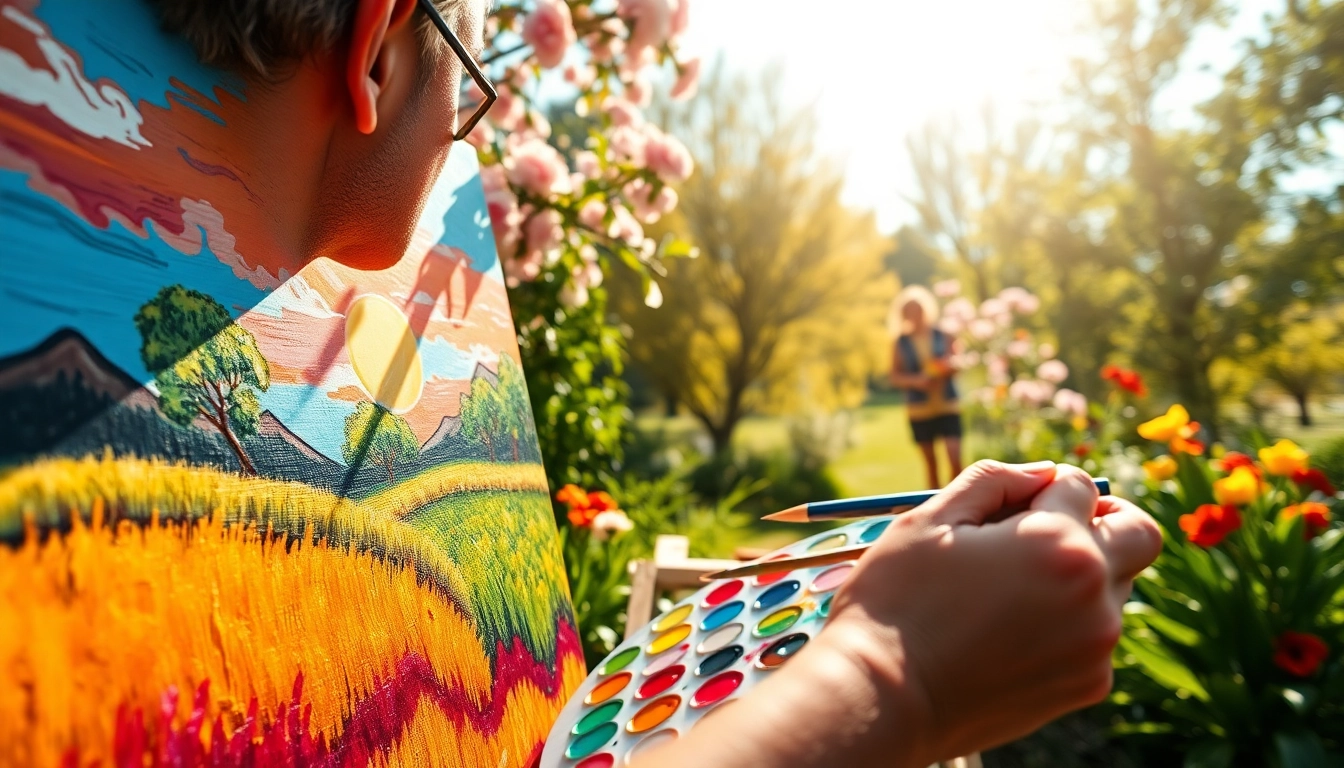
Introduction to Painting: Understanding the Basics
Painting is more than just a form of expression; it is a timeless craft that has evolved across centuries and cultures. When people think of painting, they may conjure images of vibrant landscapes, abstract shapes, or detailed portraits. But at its core, painting is about using colors, brushes, and canvases to express emotions, ideas, and narratives. Whether you are an aspiring artist or someone interested in exploring your creative side, understanding the fundamentals of painting is essential to mastering this art form.
What is Painting?
Painting encompasses the application of pigments onto a surface using various tools and techniques. The primary materials can include oil paints, watercolors, acrylics, and more, applied to canvases, paper, walls, or even unconventional surfaces. The act of painting allows the artist to convey feelings, illustrate stories, and provoke thought, cementing its role as a critical component of the visual arts.
Key Painting Techniques
Several techniques define the art of painting, each lending a distinctive style and effect. Some fundamental techniques include:
- Brushwork: Techniques such as stippling, cross-hatching, and blending create texture and dimension in a painting.
- Color Wash: A technique often used in watercolors, it involves applying a thin layer of color for a translucent effect.
- Impasto: This technique involves applying paint thickly enough that it stands out from the canvas.
- Glazing: Used typically in oil painting, glazing involves applying a transparent layer of paint over a dried opaque layer to enhance color and depth.
Essential Tools and Materials
Having the right tools is crucial for successful painting. Essential materials include:
- Pigments: Your choice of paint can significantly impact the final result.
- Brushes: A variety of brushes, from fine to broad, allows for different effects.
- Canvas: Different types of canvas can absorb paint differently, influencing the look and feel.
- Palette: A surface for mixing colors is indispensable for creating your desired hues.
- Mediums: Substances like linseed oil or water can be used to alter the paint’s texture and drying time.
Choosing Your Canvas and Medium
Types of Canvas and Their Uses
The choice of canvas (or paper) can profoundly impact your painting experience. Common types include:
- Stretched Canvas: This is a popular choice among acrylic and oil painters. The canvas is stretched over a wooden frame, providing a taut surface for painting.
- Canvas Boards: These are more affordable and ideal for practice pieces, usually made of canvas glued onto cardboard.
- Watercolor Paper: Specially designed for watercolor painting, this paper can handle the specific moisture levels of the medium.
Watercolor vs. Oil vs. Acrylic
When it comes to choosing a medium, each option carries its strengths and challenges:
- Watercolors: Known for their transparency and ability to create soft washes, they require a delicate touch and are ideal for those who enjoy fluidity in their work.
- Oils: Renowned for rich texture and depth, oil paints take longer to dry, giving artists ample time to blend and create layers.
- Acrylics: Fast-drying and versatile, acrylics can mimic both oils and watercolors, making them a popular choice for beginners.
Preparing Your Workspace
A well-organized workspace can significantly enhance your painting experience. Ensure good lighting, a comfortable easel, and access to all your materials. Keep your area clutter-free to allow maximum focus and creativity.
Color Theory in Painting
Primary, Secondary, and Tertiary Colors
Understanding color theory is fundamental for any painter. Colors are categorized as follows:
- Primary Colors: Red, blue, and yellow are the basic building blocks of color.
- Secondary Colors: Created by mixing primary colors, these include green, orange, and purple.
- Tertiary Colors: Formed by mixing primary and secondary colors, providing a vast palette.
Creating a Color Palette
Your color palette will dictate the mood and style of your painting. Consider creating a limited palette for stronger composition, or explore a wide range for vibrant, dynamic pieces. Use color wheels to visualize relationships between colors and create harmonious combinations.
Understanding Color Mixing
Mastering color mixing is an invaluable skill. Experiment with mixing primary colors to create new shades. Remember, mixing complementary colors can result in muted tones, while analogous colors create harmony within your artwork.
Developing Your Painting Style
Exploring Different Artistic Styles
Artistic styles provide a framework for your work. Explore various movements such as Impressionism, Cubism, or Surrealism to understand their principles and find what resonates with you. Your style can evolve over time as you experiment and learn.
Finding Inspiration and Themes
Inspiration can come from various sources: nature, emotions, experiences, or even other artworks. Consider keeping an inspiration journal to capture ideas, images, and themes that intrigue you. Create art that speaks to your passions.
Building Your Unique Voice
Your unique artistic voice is a culmination of your experiences, styles, and themes. As you paint, consider what messages or emotions you wish to convey, and let that guide your artistic journey.
Tips for Successful Painting Projects
Overcoming Common Challenges
Every artist encounters challenges, whether it’s creative block, technical issues, or self-doubt. Techniques for overcoming these include setting small, achievable goals, practicing regularly, and seeking constructive feedback from peers or art communities.
Techniques for Improving Composition
Composition refers to the arrangement of elements within your painting. Techniques like the rule of thirds, balance, and focal points help guide the viewer’s eye and add interest to your artwork. Practice sketching different compositions to enhance your planning skills.
Final Touches: Enhancing Your Painting
After completing your painting, consider the final touches that will elevate your work. This can include adding highlights, adjusting contrast, or signing your artwork. A well-executed finishing touch can make a significant difference in the perception of your piece.
FAQs:
1. What is the best painting medium for beginners?
Acrylics are often recommended for beginners due to their versatility, quick drying time, and ease of use.
2. How can I choose colors for my painting?
Start by understanding color theory. Use color wheels to see how colors complement each other.
3. What are the most essential tools for painting?
Basic brushes, suitable paints, a palette, and a canvas are key components for any artist.
4. How can I improve my painting skills?
Practice regularly, study various techniques, and seek feedback from other artists or classes.
5. Is it necessary to follow a specific painting technique?
No, while techniques can guide you, developing your style and instincts as an artist is just as important.