Introduction to Door Handles
Door handles are often overlooked when it comes to home design, yet their significance cannot be understated. Both a practical tool and a reflective element of your home’s aesthetic, the right door handle contributes to the functionality and style of your space. Understanding the variety of options available, and considering design, installation, and maintenance, are crucial steps in selecting the perfect door handle for your home.
The Importance of Selecting the Right Door Handle
Selecting the right door handle is essential for several reasons. Firstly, door handles serve a functional purpose, facilitating ease of entry and exit. A good handle should operate smoothly and efficiently. More than that, it offers an opportunity to showcase personal style—whether sleek and modern, rustic and vintage, or traditional and ornate. The wrong choice can detract from your decor, while the right handle can enhance the overall ambience of your home.
Types of Door Handles Available
When it comes to door handles, variety is abundant. Here are some of the most common types:
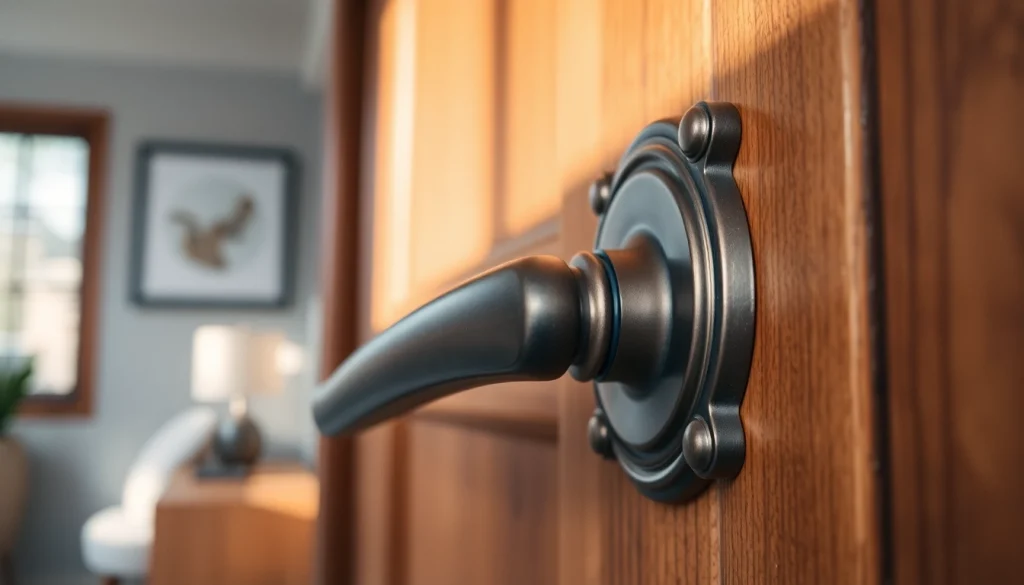
- Lever Door Handles: Ideal for interior doors, lever handles are popular due to their ease of use. They come in various styles, from minimalistic to elaborate designs.
- Knob Door Handles: A classic choice, knobs are versatile and can fit any décor style. They require a twisting motion to open, making them slightly less accessible than levers.
- Pull Handles: Often used for sliding doors or larger entryways, pull handles are aesthetic and functional, available in various materials and finishes.
- Mortice Handles: These integrated handles fit into the door’s surface, offering a seamless appearance. They often include locking mechanisms for added security.
- Smart Door Handles: With the rise of technology, smart handles have gained popularity. They can be controlled via smartphone apps, offering enhanced security and convenience.
Understanding Door Handle Materials
The materials used for door handles play a crucial role in their performance and appearance. Common materials include:
- Stainless Steel: Known for its durability and resistance to corrosion, stainless steel is a popular choice for both interior and exterior handles.
- Brass: Brass has a classic appeal and is noted for its antimicrobial properties. It’s often chosen for vintage or traditional aesthetics.
- Aluminium: Lightweight and versatile, aluminium is ideal for contemporary designs and often features different finishes.
- Wood: Wooden door handles offer warmth and character, making them perfect for rustic or traditional homes. However, they may require more maintenance.
- Plastic and Composite Materials: These options are often budget-friendly and come in a variety of colors and styles but may lack the durability of metal options.
Design Considerations for Door Handles
Design is not merely about aesthetic appeal; it also involves functionality and compatibility within your home. Here are some key considerations.
Matching Your Door Handle with Your Home Style
Your choice of door handle should complement your overall home design. For contemporary spaces, sleek and minimalistic handles work best, while traditional homes may benefit from ornate, detailed designs. Additionally, consider the door style; a heavy wooden door might require a more substantial handle, while a lightweight interior door may suit a more delicate option. Ultimately, aim for cohesion in design throughout your home.
Color and Finish Options
Color and finish play a significant role in how a door handle integrates with your overall décor. Common finishes include polished chrome, brushed nickel, antique brass, and matte black. Each finish imparts a different character. For instance, polished chrome adds a modern touch, whereas antique brass can evoke vintage charm. Choose a finish that aligns with your home’s color palette and style.
The Role of Ergonomics in Design
Ergonomics should not be overlooked when selecting a door handle. A well-designed handle should be comfortable to grip and easy to operate. When considering ergonomics, look for handles that are not only visually appealing but also provide a natural grip, reducing strain on hands and fingers. This is particularly important for high-traffic areas or for households with children or the elderly.
Installing Door Handles
Installing a door handle can be an easy DIY project with the right tools and steps. Proper installation ensures that your handles function correctly and last longer.
Tools Required for Installation
Before beginning the installation, gather the following tools:
- Drill with a drill bit suitable for your door’s material
- Phillips and flat-head screwdrivers
- Measuring tape
- Level to ensure even alignment
- Wood glue (for wooden doors)
- Pencil for marking
Step-by-Step Installation Guide
Follow these steps to install your door handles:
- Start by removing the old door handle. Use the appropriate screwdriver to unscrew it from the door.
- Measure and mark the correct height for the new handle using the measuring tape and pencil.
- Using the drill, create the necessary holes for the new handle’s screws. Ensure these are level and spaced correctly to hold the new handle securely.
- Insert the new handle into the holes. For knobs, ensure the spindle is placed through the door. For levers, mount each side of the lever according to the manufacturer’s instructions.
- Secure the handle with screws, tightening them evenly to avoid stripping.
- Test the handle to make sure it operates smoothly before closing the door.
Common Installation Mistakes to Avoid
Many first-time DIYers encounter issues during installation. Here are some common mistakes and how to avoid them:
- Not measuring correctly: Double-check measurements to ensure the handle fits perfectly.
- Forgetting to create pilot holes: This can cause the wood to split. Always drill pilot holes if working with wood.
- Ignoring the level: Aligning your handle wrongly can affect ease of use and look unprofessional.
- Over-tightening screws: This might lead to stripping or damaging the door material. Tighten gently to secure without excess force.
Maintenance of Door Handles
Regular maintenance can prolong the life of your door handles, keeping them functional and attractive. Here are some essential maintenance tips.
Cleaning Techniques for Different Materials
Cleaning methods will vary based on the handle’s material. For stainless steel and aluminium, a damp cloth with mild soap usually does the trick. Avoid abrasive cleaners that can scratch surfaces. For brass handles, a mixture of vinegar and flour can help restore shine. Wood handles may require special wood cleaners to maintain finish and prevent drying.
Preventing Rust and Corrosion
Rust is the nemesis of metal handles. To prevent corrosion, ensure they are kept dry. Apply a light coat of oil or wax to protect metal surfaces. Regular inspections can also help catch early signs of rust, allowing for timely intervention.
When to Replace Your Door Handle
Even high-quality door handles eventually wear out. Look for these signs as indicators of when to replace your door handle:
- Difficulty Operating: If turning the handle requires excessive force, it may be time for a replacement.
- Visible Damage: Cracks, chips, or rust indicate deterioration.
- Loose Fittings: If the handle is wobbling or detaching from the door, it needs replacement.
- Style Change: If you’re renovating your space, new handles can refresh the entire look.
FAQs About Door Handles
What types of door handles are best for security?
For enhanced security, look for mortice handles with robust locking mechanisms or smart door handles that offer digital locking features. Always consider the material strength too.
How do I know if a door handle will fit my door?
Measure the thickness of your door and the size of your existing handle’s hole. Most handles have standard sizes, but always confirm compatibility with the new handle’s specifications.
Can I paint or customize my door handle?
Yes, many handles can be painted or customized, especially those made from metal or wood. Ensure you use appropriate paint and techniques to adhere well without damaging the original finish.
What is the average lifespan of a door handle?
The lifespan of a door handle can vary widely depending on the material and usage. Typically, quality handles can last anywhere from 10 to 25 years, with regular maintenance enhancing durability.
Do door handles come with warranties?
Most manufacturers provide warranties ranging from a few years to lifetime coverage, depending on the quality of the handle. Always check the specifics before purchase.