Overview of Clarksburg Wines
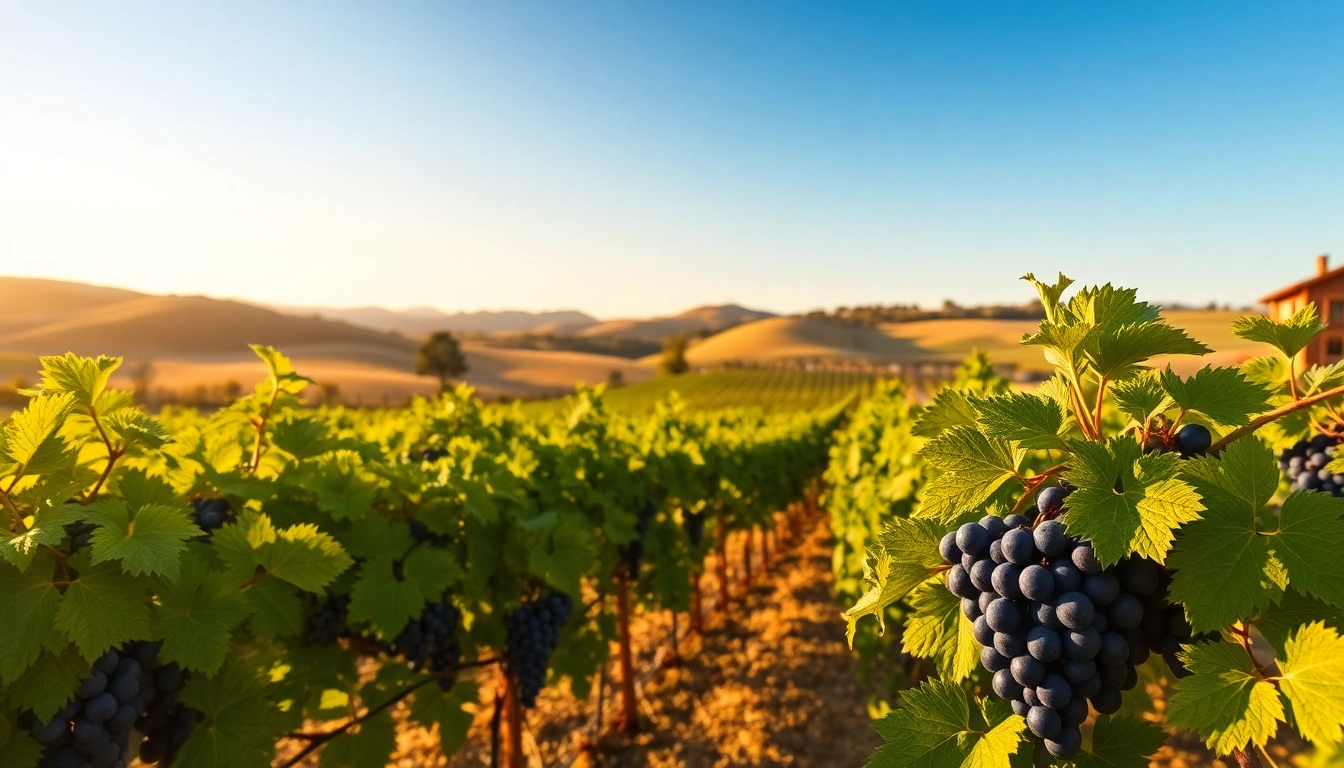
Clarksburg, located in California's Sacramento Valley, has become increasingly recognized for its exceptional wine production. The region’s unique microclimate, coupled with its rich soil composition, has made it a haven for both winemakers and wine enthusiasts alike. With a pronounced focus on Clarksburg wines, this article delves into the history, varietals, and sensational flavors that define the landscape of Clarksburg's wine country.
The History of Wine Production in Clarksburg
The origins of wine production in Clarksburg trace back to the late 19th century, when early settlers discovered the area's potential for viticulture. The fertile soils and favorable climate conditions encouraged the establishment of vineyards, and over time, the region gained recognition for its diverse varietals. Despite facing challenges such as Prohibition and changes in agricultural practices, the passion for winemaking in Clarksburg has persisted, paving the way for a modern renaissance in local viticulture.
The Varietals of Clarksburg Wines
Clarksburg is celebrated for an array of distinctive varietals. The region is particularly known for its Sauvignon Blanc, which thrives in its maritime climate, yielding crisp and aromatic wines with vibrant acidity. In addition, Clarksburg produces a variety of red wines, with Zinfandel and Cabernet Sauvignon leading the charge. Innovative winemakers have increasingly turned to lesser-known varietals such as Petit Syrah and Grenache, showcasing the versatility and adaptability of the region's terroir.
Why Clarksburg is Ideal for Wine Production
Several factors contribute to Clarksburg being a prominent wine-producing region. Its geographical location provides a unique convergence of climatic influences, featuring warm days tempered by breezes from the nearby Sacramento Delta. This diurnal temperature variation aids in developing rich flavors in the grapes while preserving acidity. Additionally, Clarksburg’s soils, primarily composed of alluvial deposits, are nutrient-rich, allowing for robust vine growth and high-quality fruit production.
Wine Regions and Terroir
Understanding Clarksburg’s Geography
Clarksburg is located just south of Sacramento and is bordered by the Sacramento River, playing a vital role in the region's climatic and geological characteristics. The proximity to water bodies moderates temperature swings, creating an ideal environment for grape growing. The region comprises several microclimates influenced by its varied elevation and proximity to the coast, each contributing unique characteristics to the wines produced.
The Climate’s Influence on Clarksburg Wines
The Mediterranean climate in Clarksburg allows for a long growing season, from bud break in early spring to harvest in late fall. The warm summer days are balanced by cooler evenings, which is crucial for vine health and grape maturation. This climate helps to produce wines that are balanced, with ripe fruit flavors and refreshing acidity. Understanding these climatic dynamics is key for wine makers when choosing the optimal timing for harvest and developing flavor profiles.
Soil Composition and Wine Quality
The soil profile in Clarksburg consists primarily of loam, sand, and clay, allowing for excellent drainage while maintaining moisture levels essential for vine health. The varied soil types contribute distinct characteristics to the wines produced, enhancing flavors and aromas. The mineral content in the soil can impart additional complexity, making Clarksburg wines unique and reflective of their terroir.
Tasting and Pairing Clarksburg Wines
Popular Tasting Notes in Clarksburg Wines
Tasting Clarksburg wines reveals a tapestry of flavors and aromas. Sauvignon Blanc often displays notes of green apple, citrus, and tropical fruit, while red varietals like Zinfandel exhibit a rich profile of blackberry, pepper, and sometimes hints of smoke. Understanding these tasting notes allows enthusiasts to navigate Clarksburg wines with confidence, enhancing the overall wine-tasting experience.
Food Pairing Recommendations
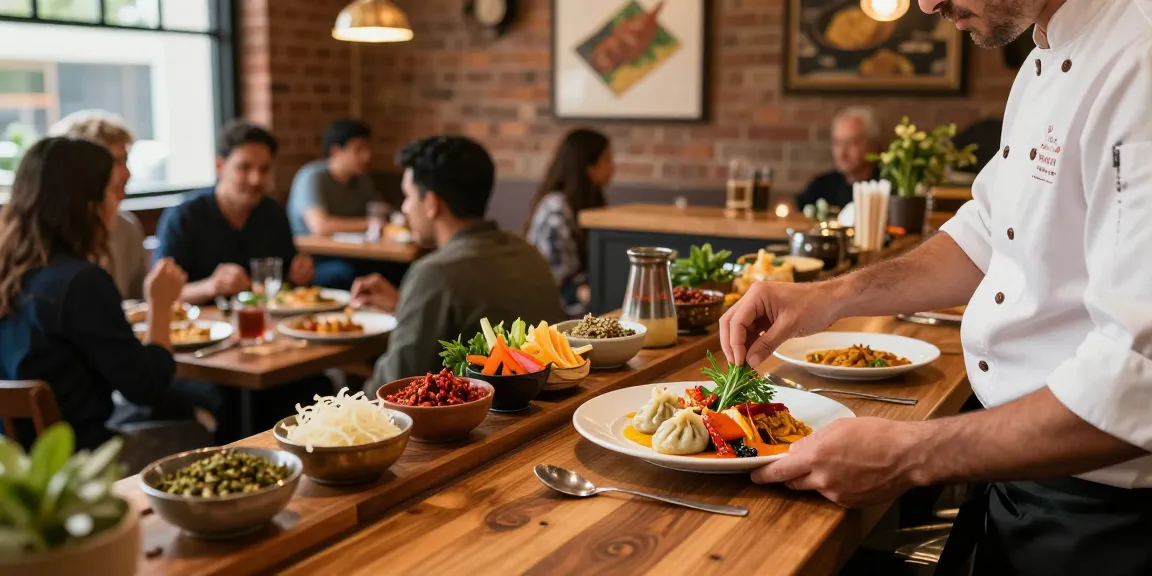
When it comes to food pairings, Clarksburg wines shine in their versatility. A crisp Sauvignon Blanc pairs exquisitely with seafood dishes, such as grilled salmon or fresh oysters. For red wines, consider pairing Zinfandel with hearty meals such as barbecued ribs or rich pasta dishes. An exploration of local cuisine alongside Clarksburg wines can elevate meals, showcasing the harmony between food and wine.
How to Host a Clarksburg Wine Tasting
Hosting a Clarksburg wine tasting can be a delightful way to explore the region’s offerings. Start with a selection of diverse varietals, ensuring a balance of whites and reds. Prepare tasting notes for guests to reference and suggest food pairings that complement the wines. Consider incorporating local cheeses and charcuterie to enhance the flavors. An inviting atmosphere and educational insights into the wines will ensure your tasting is both enjoyable and informative.
Visiting Clarksburg Wine Country
Top Wineries to Explore
When visiting Clarksburg, several wineries offer tours, tastings, and unique experiences. Engage with winemakers to learn about their processes and philosophies. Many establishments feature beautiful grounds perfect for picnics, allowing guests to immerse themselves in the natural beauty of the area. Research and plan visits to local wineries in advance to maximize your experience.
Events and Festivals Celebrating Clarksburg Wines
Throughout the year, Clarksburg hosts various wine events and festivals that highlight its vibrant wine culture. Events often include tastings, live music, and food pairings, drawing locals and tourists together for a celebration of wine. Participating in these gatherings provides an opportunity for deeper engagement with the community and local wines, fostering a sense of camaraderie among wine lovers.
Travel Tips for Wine Enthusiasts
Traveling to Clarksburg offers wine enthusiasts the chance to explore renowned wineries and beautiful landscapes. It's advisable to check for appointment requirements, as some wineries offer exclusive tastings and tours by reservation only. Consider arranging transportation to visit multiple wineries safely, ensuring you can comfortably enjoy the full experience. Don't forget to explore nearby attractions, as Clarksburg boasts a rich history and stunning natural scenery.
The Future of Clarksburg Wines
Innovations in Wine-making Techniques
The future of Clarksburg wines looks promising, with innovation playing a crucial role in shaping its landscape. Winemakers are increasingly adopting sustainable practices, like organic and biodynamic farming, which not only enhance wine quality but also protect the environment. Technological advancements in viticulture and enology allow for precision in grape growing and wine production, marking a new era of excellence in Clarksburg wines.
Challenges Facing the Local Wine Industry
Despite its potential, the Clarksburg wine industry faces challenges such as climate change, which threatens traditional growing conditions and may necessitate shifts in varietal planting. Additionally, market competition from other wine regions can put pressure on local wineries. Collaboration among winemakers and investment in research for adaptive techniques will be vital for the local industry to navigate these challenges successfully.
How Consumers Can Support Clarksburg Wines
Wine enthusiasts can actively support Clarksburg wines by choosing local brands, participating in tastings and events, and sharing their experiences online. Promoting awareness through social media and word-of-mouth can amplify the recognition of Clarksburg wines, helping to sustain and grow the local wine community. Moreover, consumers can advocate for sustainable practices by supporting wineries committed to responsible production methods.
Frequently Asked Questions
What types of grapes are grown in Clarksburg?
Clarksburg is known for varietals such as Sauvignon Blanc, Zinfandel, and Cabernet Sauvignon, with some winemakers experimenting with unique options like Petit Syrah and Grenache.
When is the best time to visit Clarksburg wine country?
The best time to visit Clarksburg is during the fall when vineyards are alive with harvest activities, or in spring when the landscape is in bloom and the weather is pleasant.
Are there wine tasting events in Clarksburg?
Yes, Clarksburg hosts various wine tasting events and festivals throughout the year, showcasing the region’s wines and encouraging local engagement among wine lovers.
How do I choose a winery to visit in Clarksburg?
Consider researching wineries that offer experiences tailored to your interests, such as guided tours, educational tastings, and scenic picnic areas to enhance your visit.
What food pairs well with Clarksburg wines?
Clarksburg wines can be paired with a variety of cuisine; crisp Sauvignon Blanc complements seafood, while rich Zinfandel pairs well with barbecue or hearty pasta dishes.