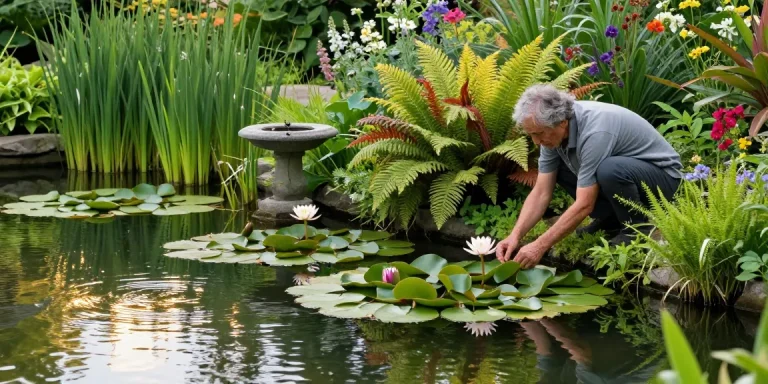
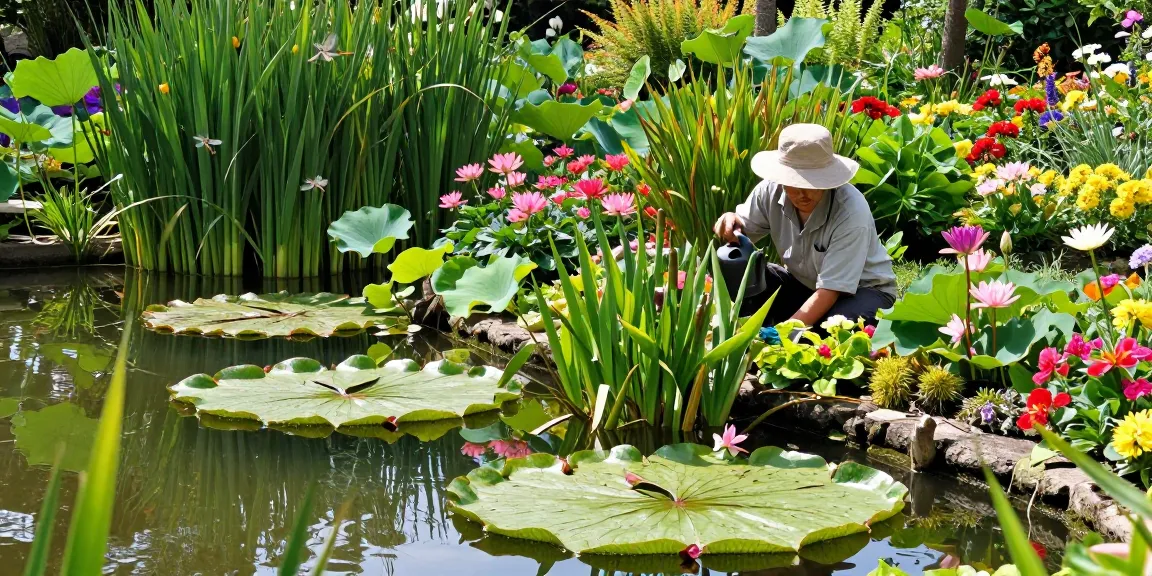
Understanding Pond Plants and Their Benefits
Pond plants are essential components of any garden pond, providing numerous benefits both aesthetically and ecologically. These plants not only enhance the beauty of your water feature but also play a crucial role in maintaining a balanced aquatic ecosystem. When exploring options, Pond Plants offer a wide variety of choices that can meet the specific needs of your pond.
What are Pond Plants?
Pond plants are aquatic vegetation that can grow in or around ponds, lakes, and other freshwater habitats. They can be broadly categorized into three main types: submerged plants, floating plants, and marginal or emergent plants. Each category serves different functions within the ecosystem of a pond. For instance, submerged plants, such as Eelgrass, provide oxygenation and serve as hiding spots for fish and other aquatic life. Floating plants, like Water Lilies, offer shade and reduce algae growth by limiting sunlight penetration, while emergent plants, such as Cattails, stabilize the soil and filter water.
Types of Pond Plants
Understanding the different types of pond plants is vital for creating a thriving aquatic environment. Here are the primary categories:
- Submerged Plants: These plants grow entirely underwater and include species like Hornwort and Vallisneria. They are critical for oxygen production and habitat for small fish.
- Floating Plants: Plants like Duckweed and Water Hyacinth float on the water’s surface, providing shelter and reducing evaporation.
- Marginal Plants: Found at the edges of ponds, these plants, such as Pickerel Rush and Marsh Marigold, help in soil stabilization and offer a habitat for wildlife.
Benefits of Incorporating Pond Plants
The benefits of pond plants extend beyond mere aesthetics. Here are some key advantages:
- Improved Water Quality: Pond plants absorb nutrients and provide oxygen, which can significantly enhance the overall quality of the water.
- Wildlife Habitat: They create essential habitats for fish, amphibians, and other wildlife, promoting biodiversity.
- Algae Control: By competing for nutrients, aquatic plants can help control algae growth, leading to clearer water.
- Visual Appeal: The right selection of plants can transform a barren pond into a lush oasis, enhancing the landscape of your garden.
Choosing the Right Pond Plants for Your Garden
Selecting the appropriate pond plants requires careful consideration of various factors, including your regional climate, pond size, and desired aesthetic. Different plants thrive in different environments, so understanding these nuances is essential for a successful pond garden.
Factors to Consider When Selecting Pond Plants
When choosing pond plants, keep the following factors in mind:
- Climate: Ensure that the plants you select are suited for your local climate to thrive year-round.
- Pond Depth: Different plants have specific depth requirements. Submerged plants need to be in deeper water, while floating plants can be in shallow areas.
- Sunlight Exposure: Assess how much sun your pond receives daily. Some plants thrive in full sun, while others prefer shadier spots.
- Maintenance Level: Consider how much time you are willing to invest in maintenance. Some plants require more care than others.
Top 5 Popular Pond Plants for Beginners
For novice pond gardeners, starting with low-maintenance, hardy species is advisable. Here are five popular pond plants ideal for beginners:
- Water Lilies: Their beautiful blooms and ability to provide shade make them a favorite.
- Hornwort: A submerged plant that requires little maintenance and helps oxygenate the water.
- Arrowhead: An emergent plant that adapts well to various conditions and is great for wildlife.
- Water Hyacinth: Known for its lovely purple flowers and ability to float on the water’s surface, offering shade.
- Cattails: A robust plant that serves as a natural filtration system and attracts wildlife.
Native vs. Exotic Pond Plants
When selecting plants, it’s important to consider whether to use native or exotic species. Native plants are those that occur naturally in your region and typically require less maintenance and are more resilient to local pests and diseases. Conversely, exotic plants can offer unique aesthetics but may require more care and could become invasive. Researching and understanding the implications of your choices can lead to a healthier pond ecosystem.
Planting and Maintenance Techniques
Successfully growing pond plants involves careful planting and ongoing maintenance. Knowing how to properly plant and care for your aquatic plants can lead to a flourishing pond environment.
Step-by-Step Guide to Planting Pond Plants
Follow these steps to effectively plant your pond plants:
- Prepare the Area: Depending on your selected plants, ensure the area is suitable regarding depth and sunlight.
- Use Aquatic Soil: Select a high-quality aquatic soil designed for pond plants to ensure optimal growth.
- Planting: Place the plants at the appropriate depth, allowing space between them to promote healthy growth.
- Watering: Ensure the plants are well-saturated with water, especially during the initial growth phase.
- Monitor Conditions: Keep an eye on water quality, checking for any needed adjustments in nutrients or pH.
Common Maintenance Practices
Regular maintenance is crucial to keep pond plants healthy. Consider implementing these practices:
- Trimming: Regularly trim back overgrowth to prevent crowding and maintain aesthetics.
- Fertilizing: Use aquatic-safe fertilizers during the growing season to promote vibrant growth.
- Cleaning: Remove any dead plant material and debris to prevent water quality issues.
How to Manage Algae and Other Pond Issues
Algae can be a common problem in pond gardening. Here are some strategies to combat algae:
- Adding Plants: Introduce more aquatic plants, as these can outcompete algae for nutrients and sunlight.
- Regular Maintenance: Keep up with water quality checks, and remove any organic debris that may contribute to algae blooms.
- Use of Barley Straw: Some gardeners find that barley straw can effectively reduce algae growth naturally.
Enhancing Aesthetic Appeal with Pond Plants
The right pond plants can transform a simple water feature into an enchanting focal point in your garden. A thoughtful aesthetic design enhances not only the visual impact but also the ecological benefits of the pond.
Design Tips for a Beautiful Pond Garden
Here are some design tips to enhance the beauty of your pond garden:
- Create Layers: Combine various plant heights and types to create visual interest and depth.
- Incorporate Pathways: Use stones or pebbles to create pathways around the pond, inviting exploration.
- Lighting: Consider underwater lights or solar-powered lanterns to illuminate the pond at night, creating a magical atmosphere.
Complementary Plants and Flowers
In addition to aquatic plants, consider pairing your pond with surrounding flowers and plants that complement the aquatic environment, such as:
- Lavender: Known for its calming scent, it attracts beneficial pollinators.
- Ferns: Offer lush greenery that beautifully contrasts aquatic life.
- Hostas: Thrive in shady areas nearby and add foliage interest.
Creating Habitats for Wildlife
Pond plants can provide essential habitats for local wildlife. To make your pond a haven for animals, consider the following approaches:
- Diverse Planting: Include a mix of submerged, floating, and emergent plants to attract various wildlife.
- Provide Shelter: Ensure there are plenty of hiding spots among rocks and plants for fish and frogs.
- Bee-Friendly Plants: Incorporate flowering plants that attract pollinators, such as bees and butterflies.
Future Trends in Pond Gardening for 2026
As we look forward to 2026, pond gardening is expected to evolve with new trends and practices aimed at sustainability and natural beauty. Keeping an eye on these trends will help you stay ahead in developing a thriving pond ecosystem.
Innovative Pond Plant Varieties to Watch
Emerging plant varieties are set to shape the future of pond gardening. Look out for:
- Hybrid Water Lilies: Featuring extended blooming seasons and vibrant colors, these hybrids are gaining popularity.
- Edible Aquatic Plants: More gardeners are exploring the growth of edible plants like Watercress, which can thrive in ponds.
Eco-Friendly Pond Gardening Practices
In response to growing environmental concerns, eco-friendly practices in pond gardening are becoming a focus. Some of these include:
- Natural Filtration Systems: Utilizing plants as natural filters reduces the need for chemicals.
- Rainwater Harvesting: Collecting rainwater for pond use enhances sustainability.
Community and Educational Initiatives
As awareness of aquatic ecosystems grows, community gardens and educational programs are emerging. These initiatives aim to:
- Promote Biodiversity: Engaging the community in the importance of pond ecosystems and biodiversity conservation.
- Workshops: Offering workshops on sustainable pond gardening practices and plant identification.
What are the best Pond Plants for wildlife?
To attract and support wildlife, consider including plants like Water Lilies, Pickerel Rush, and Blue Flag Iris. These provide food and shelter for various species, contributing to a healthier pond environment.
How can I propagate my Pond Plants?
Propagation methods will vary by plant type. Many submerged and floating plants can be divided or cut, while others may require seed collection and planting. Research specific propagation techniques for each plant to ensure success.
Are all Pond Plants suitable for any climate?
No, not all pond plants are suited for every climate. It’s essential to select species that are adapted to your local conditions to ensure they thrive.
What should I do about invasive Pond Plants?
If you notice invasive species in your pond, remove them immediately to prevent them from overtaking native plants and disrupting the ecosystem. Regular monitoring is key to managing pond health.
How often should I fertilize my Pond Plants?
The frequency of fertilizing pond plants depends on the species and the nutrient levels in your pond water. Typically, fertilizing in early spring and mid-summer is effective, but always follow the specific needs of your chosen plants.
About the Author