
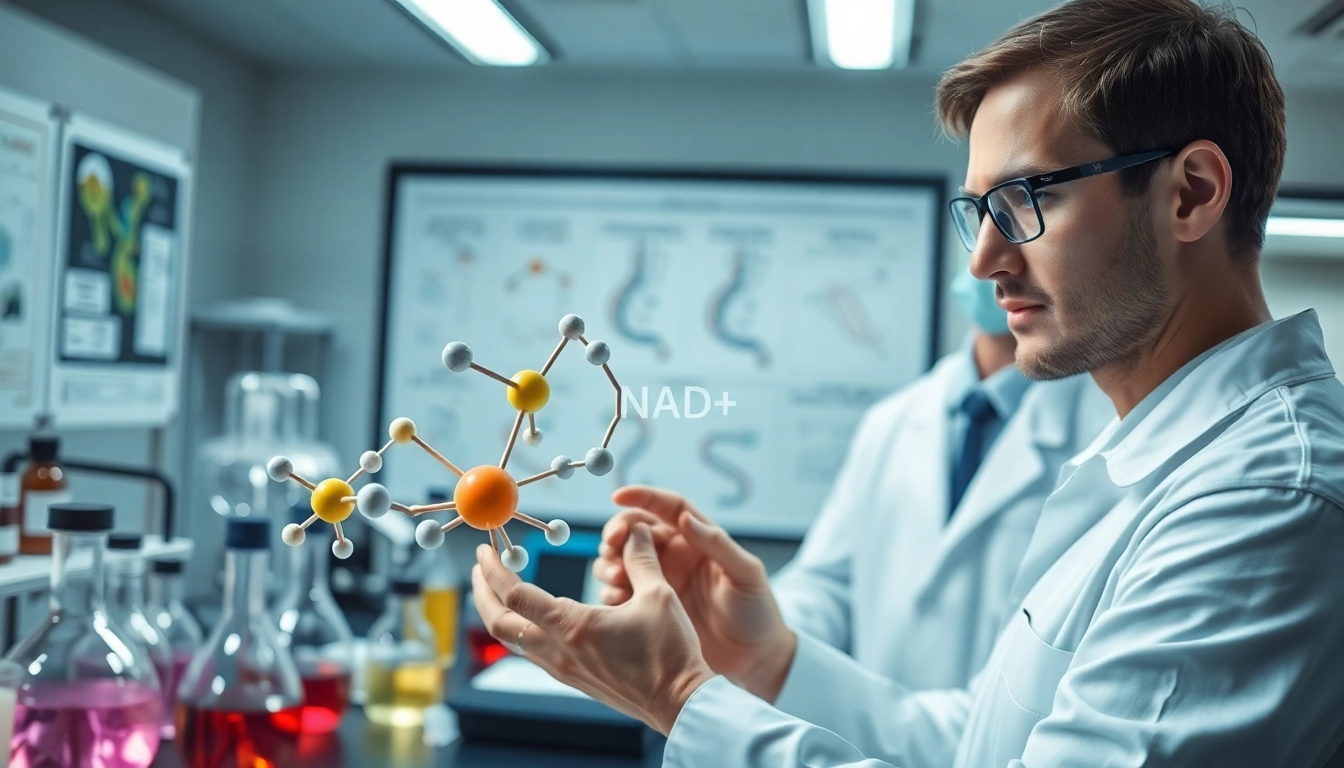
Introduction to NAD+
NAD+, or nicotinamide adenine dinucleotide, is a pivotal coenzyme found in every living cell. It plays an essential role in metabolism and cellular processes, influencing energy production, DNA repair, and overall cellular health. Understanding the significance of NAD+ is crucial for anyone interested in cellular biology, health, and wellness.
What is NAD+?
NAD+ is a dinucleotide composed of two nucleotides joined through their phosphate groups. Its primary function is to act as a carrier of electrons in redox reactions, vital for metabolic pathways. NAD+ exists in two forms: the oxidized form (NAD+) and reduced form (NADH), each playing unique roles in energy production and metabolic regulation.
The Role of NAD+ in Metabolism
NAD+ is integral to key metabolic processes, including glycolysis and the citric acid cycle. In glycolysis, it facilitates the conversion of glucose into pyruvate while accepting electrons and producing NADH, which then enters the mitochondrial electron transport chain to produce ATP—our primary source of cellular energy.
NAD+ and Cellular Health
Adequate levels of NAD+ are essential for maintaining cellular health. It supports the activity of sirtuins, a family of proteins that regulate cellular stress responses. Low NAD+ levels can lead to cellular dysfunction, contributing to various age-related diseases and metabolic disorders.
Mechanisms of Action
How NAD+ Supports Energy Production
NAD+ is vital for ATP production, the energy currency of the cell. In the mitochondria, NAD+ plays a crucial role in the electron transport chain, transferring electrons derived from nutrients to oxygen to create ATP through oxidative phosphorylation. This energy production is fundamental for cellular function and overall vitality.
NAD+ in Cellular Repair Processes
Beyond energy production, NAD+ also supports cellular repair processes, particularly DNA repair. It is a substrate for enzymes such as poly(ADP-ribose) polymerases (PARPs), which are involved in repairing damaged DNA. With sufficient NAD+ levels, cells can efficiently respond to DNA damage, repairing lesions and mitigating the risks of mutations that could lead to cancer.
Enzymes Influenced by NAD+
NAD+ influences various enzymes, including sirtuins and PARPs. Sirtuins, which require NAD+ for their activity, are involved in regulating metabolism, inflammation, and apoptosis. The activation of these enzymes by NAD+ serves as a bridge between energy metabolism and cellular survival, highlighting its importance for longevity and health.
Sources of NAD+
Dietary Sources of NAD+
NAD+ can be synthesized in the body from dietary precursors such as niacin (vitamin B3). Foods rich in niacin include poultry, beef, fish, and whole grains. Additionally, tryptophan, an amino acid found in protein sources, can also be converted into NAD+ within the body, making a varied diet a natural source of this vital coenzyme.
Supplements for Boosting NAD+
With the increasing interest in NAD+ for health, several supplements aim to enhance its levels. Common forms include nicotinamide riboside (NR) and nicotinamide mononucleotide (NMN). These supplements have gained attention for their potential to elevate NAD+ levels effectively, thus improving energy metabolism and promoting longevity.
Understanding NAD+ Precursors
An understanding of NAD+ precursors is essential for optimizing its levels. Precursors like nicotinic acid, NR, and NMN serve as building blocks for NAD+ synthesis. Consuming these compounds can directly impact NAD+ availability, potentially influencing overall health and metabolic function positively.
Challenges and Considerations
Factors Affecting NAD+ Levels
Several factors can deplete NAD+ levels in the body, including age, sedentary lifestyle, and poor nutrition. As we age, the natural decline in NAD+ production has been linked to numerous age-related health issues, making awareness of these factors crucial for maintaining optimal levels.
Implications of NAD+ Deficiency
NAD+ deficiency can have significant implications for health, potentially leading to increased susceptibility to metabolic disorders, cognitive decline, and cellular aging. Some studies suggest that low NAD+ levels may correlate with the severity of diseases like Alzheimer’s and diabetes, highlighting the importance of sustaining adequate NAD+ concentrations.
Addressing Common Misconceptions
Many misconceptions surround NAD+, including its role in aging and supplementation efficacy. It’s crucial to understand that while NAD+ levels do correlate with longevity and health, supplementation should be approached carefully. Recent research emphasizes a more significant relationship between NAD+ precursors and overall physiological balance rather than a simplistic increase in NAD+ levels alone.
Future Research and Applications
Innovations in NAD+ Research
Ongoing research into NAD+ continues to uncover novel insights into its functions and applications. Advances in biotechnology are leading to innovative approaches for enhancing NAD+ levels and exploring its therapeutic potential in various conditions, including metabolic syndromes and neurodegenerative diseases.
NAD+ and Aging
The connection between NAD+ and aging is a prominent focus within current research. Studies show that enhancing NAD+ availability can extend lifespan and improve healthspan in various model organisms, suggesting potential applications in human longevity and age-related conditions.
Potential Therapeutic Uses for NAD+
Beyond its role in energy metabolism, NAD+ is being investigated for therapeutic uses in diseases associated with oxidative stress and mitochondrial dysfunction. Potential applications include treatments for cardiovascular diseases, neurodegenerative disorders, and metabolic syndromes, showcasing its necessity in modern biomedical research.
FAQs about NAD+
What are the benefits of increasing NAD+ levels?
Increasing NAD+ levels can enhance energy production, improve cellular repair mechanisms, support longevity, and reduce the risk of age-related diseases.
Can NAD+ supplements improve athletic performance?
While NAD+ supplements may enhance energy metabolism, their direct impact on athletic performance requires further research. They may help improve recovery and endurance by supporting cellular energy levels.
Are there any side effects of NAD+ supplementation?
NAD+ supplementation is generally considered safe, though some individuals may experience mild side effects, such as nausea or digestive discomfort. Consulting a healthcare professional is recommended.
How does aging affect NAD+ levels?
As we age, NAD+ levels decline naturally, leading to reduced cellular energy production and increased susceptibility to age-related diseases. Maintaining NAD+ levels may help mitigate these effects.
What foods are high in NAD+ precursors?
Foods rich in NAD+ precursors include meat, fish, nuts, seeds, and whole grains, particularly those high in niacin or tryptophan, which are essential for NAD+ synthesis.
About the Author